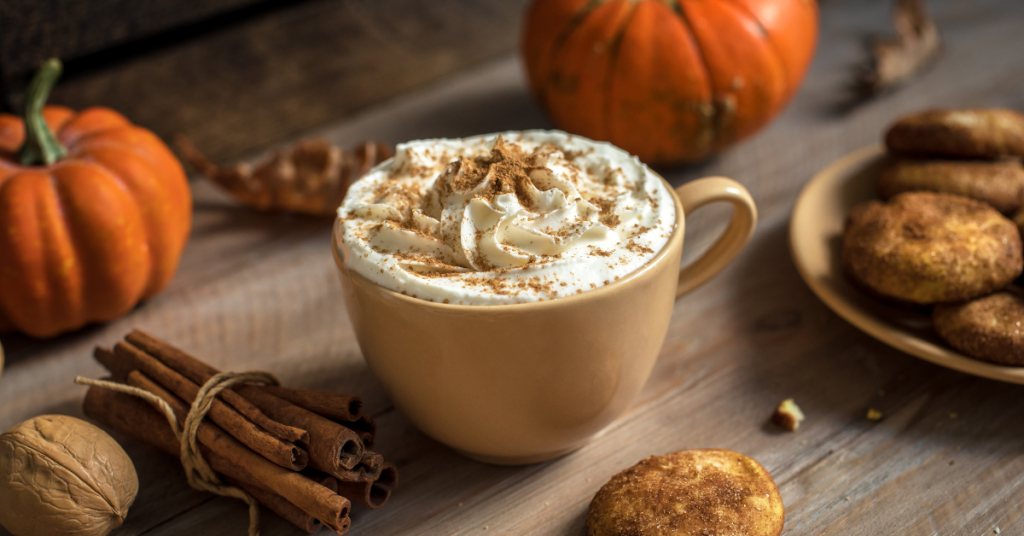
Love it or hate it, pumpkin spice has become the flavour of fall, and it doesn’t look like it’s going anywhere anytime soon.
I’m proud to say that I love it. I’ve even made a little tradition of buying myself a humongous pumpkin pie every fall and finishing it off embarrassingly quickly. Not to mention that I visit every cafe offering pumpkin spice to see who blends it better.
From late August through November, pumpkin spice is everywhere. Coffee shops, bakeries, supermarkets and major food brands roll out seasonal products almost as if we collectively agreed that fall begins not when the leaves change, but when pumpkin spice hits the menu.
Starbucks brought its Pumpkin Spice Latte back to Canadian stores on August 25 this year, alongside an expanded lineup of pumpkin drinks. Tim Hortons has also brought pumpkin spice favourites back into rotation, while bakeries and supermarkets are filling their shelves with everything from pumpkin pies and muffins to cookies, creamers and snacks.
Why Pumpkin—and Why Not Other Fall Fruits or Vegetables?
That got me wondering: why pumpkin?
I checked which fruits and vegetables are actually in season during fall in Canada. Of course, harvest periods vary depending on the province and weather, but using Ontario’s seasonal availability as a reference, quite a few contenders stood out:
Fruits:
Apples
Pears
Grapes
Cranberries
Plums
Muskmelons
Vegetables:
Pumpkins
Brussels sprouts
Beets
Carrots
Potatoes
Cabbage
Kale
Leeks
Then I asked myself: why not apple?
Apples are basically everywhere in Canada during fall. But maybe that’s exactly the problem—they’re a little too familiar to own the season. I can’t imagine myself screaming, “Woooh, I finally got my first apple spice latte of the year!” First, apple and latte together still sound a little questionable to me. Second, apples are available practically year-round thanks to storage and imports.
And Brussels sprouts? Let’s not even talk about it.
But here’s the interesting part: pumpkin spice isn’t really about pumpkin.
Traditional pumpkin pie spice is a blend of warming spices such as cinnamon, ginger, nutmeg, cloves or allspice—the flavours historically used to season pumpkin pie. Pumpkin simply became the vessel for a combination of aromas we eventually learned to associate with Thanksgiving, cooler weather and fall itself.
In other words, pumpkin spice may have conquered autumn because it doesn’t just taste seasonal. It smells and feels seasonal.
Can Pumpkin Spice Keep Up With Matcha and Ube?
Pumpkin spice may still be the reigning monarch of fall, but it’s no longer ruling the flavour world uncontested.
One industry estimate valued the global pumpkin spice market at around US$1.1 billion in 2025 and projects it could reach US$2.2 billion by 2032, representing annual growth of roughly 10%. Take those figures as market estimates rather than gospel, but they point to one thing: there is still serious money in making everything taste like October.
And Starbucks deserves a huge part of the credit. The Pumpkin Spice Latte was first tested in 100 stores in Vancouver and Washington, D.C., in 2003 before rolling out more widely across Canada and the U.S. the following year. More than two decades later it is still Starbucks’ most popular seasonal beverage.
But there are signs of pumpkin fatigue. After 20-plus years of pumpkin-spiced everything, flavours such as apple, cinnamon, caramel, maple and pecan are increasingly fighting for space on the autumn menu.
Then there’s the green-and-purple insurgency.
Matcha is the grown-up in the room. The global matcha market was estimated at roughly US$5.1 billion in 2025 and is projected to reach US$8.9 billion by 2033. It is hardly the new “it girl” anymore—matcha has become a permanent fixture on café menus, grocery shelves and social feeds around the world.
Which may be exactly the opening ube needed.
The Philippines’ unmistakably purple yam is the flashier challenger. One 2026 estimate values the global ube market at roughly US$520 million, with projected annual growth of 6.9%. And its leap into the mainstream is becoming difficult to ignore.
Starbucks Canada introduced Ube Coconut drinks earlier this year, while Costa Coffee has rolled out Sweet Ube lattes, frappés and matcha drinks in some international markets. Its vibrant purple colour certainly doesn’t hurt in the Instagram and TikTok era either.
The bigger challenge may actually be supplying it. The Philippine Department of Agriculture said this year that global demand for ube is accelerating while production, supply coordination and standardization are struggling to keep pace.
So, could ube eventually become as culturally recognizable as matcha—or even pumpkin spice? Maybe. But pumpkin spice has one advantage neither of them can easily replicate: it doesn’t just represent a flavour anymore. For millions of people, it represents an entire season.