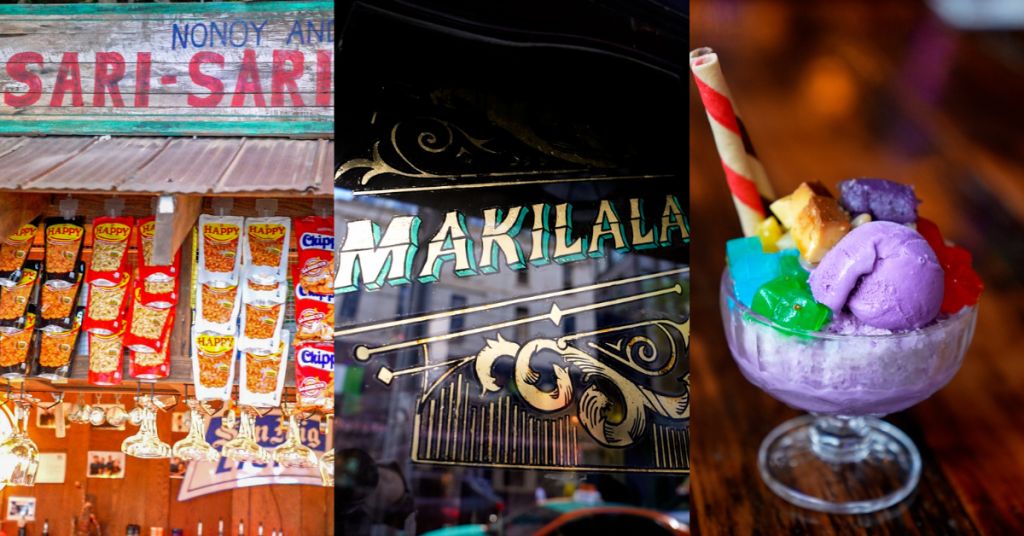

A humble purple yam that has long been a staple of Filipino cuisine is taking over the globe. As ube receives much love from fans for its sweet, earthy flavour and fun aesthetic. It looks like matcha is so 2025.
Let’s do a little practice with the word Ube before we dive deeper—since ube will be mentioned a hundred times in this article! It is pronounced “oo-beh,” where the “oo” sounds like the “u” in blue, and “beh” sounds like the “be” in bed.
Back home in the Philippines, in every household during holidays , there’s one special dish that’s always on the table—a dish every Filipino would brag about making with hours of hard labour, mixing the ingredients until they reach that perfect consistency: ube halaya (pudding/jam).
Every Filipino family has its own special mix-ins: some add cheese, some add macapuno (a special variety of coconut with sweet, jelly-like meat), and others simply pour in a variety of milk—from powdered to condensed—to make their ube halaya extra creamy.
It became so popular by default that, in almost every celebration, people tend to overproduce their halaya and end up eating the same delicacy for days or weeks afterward. That was the birth of Filipino creativity with it—transforming a traditional dessert into many ways to enjoy its distinct flavour and colour.
Canada and the world’s new liquid gold—or should I say, liquid ube?

From a 99-cent pack of treats back home to a multi-million dollar industry today, ube has taken a massive leap into the global economy.
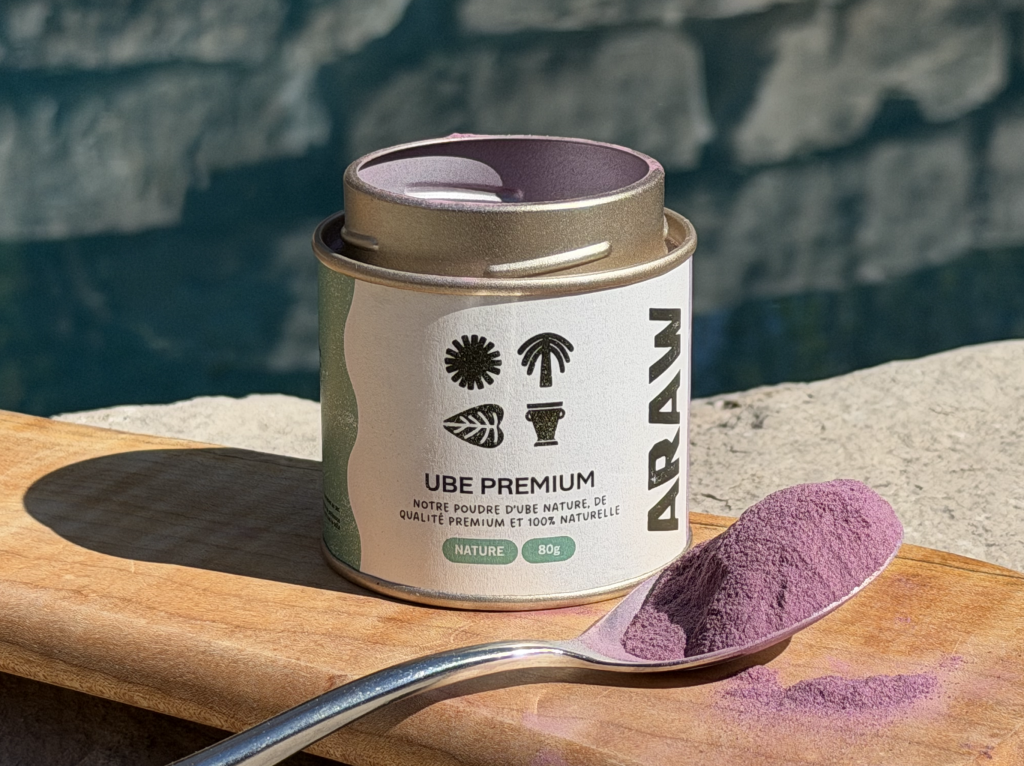
In April, my boss went to France for a weekend trip; one of her key foodie takeaways was her wondrous discovery of a premium ube powder. She ecstatically shared that she bought a single bottle for 25 Euros.
I was taken aback and mentally dropped my jaw. I couldn’t help but utter with great surprise, “Back home, you’d have that for only 99 cents Canadian.” That’s when we realized the immense revenue the world generates from a purple yam that a Filipino household could simply grow in their backyard with minimal effort.
Now, according to trade reports, the Philippines has been hitting record highs in exporting ube to various countries, including key players like the US, Canada, Australia, and the UK. The market is on a tear. After exporting over 12,000 MT of product in 2025, analysts now expect a 6.9% annual growth rate to push the market value to nearly USD 1B by 2035.
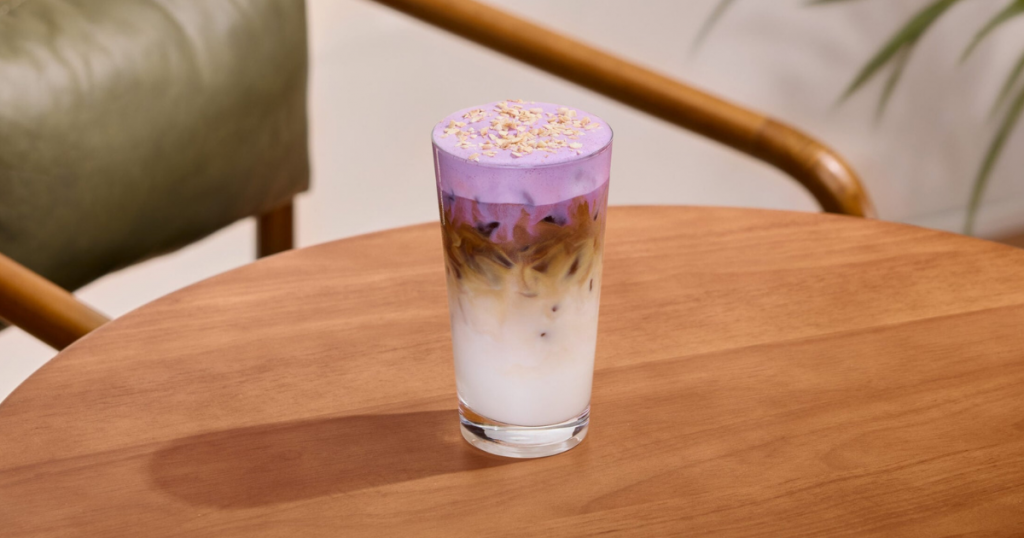
Moreover, several businesses and foodies have since introduced a variety of ube-flavoured offerings: from breads and pastries to purple yam-flavoured noodles (yes, I have seen them recently in a hotpot restaurant!) to smoothies and milk teas. Additionally, big names in the F&B world, like Starbucks, have recognized the trend by adding the flavour to their seasonal menus—their Iced Ube Coconut Macchiato was a delightful tickle to my palate!
Additionally, it is a remarkably flexible root crop. I personally love having mashed ube as a replacement for rice or mashed potatoes; it adds a vibrant color to my plate and a smooth balance to my savory dishes.
Lastly, if there’s one key takeaway from how ube is making waves, I’d like people to remember and respect the name “ube”—and avoid using its translated name, “purple yam.” To me, it is more than just a flavour we have contributed to the world; it is a cultural identity. While Filipinos rarely brag about it, I hope the world recognizes it for what it is and considers it a gift.
Know more about Canada’s latest trends follow us on Instagram and Facebook. Or subscribe to our weekly newsletter at www.notablelife.com.