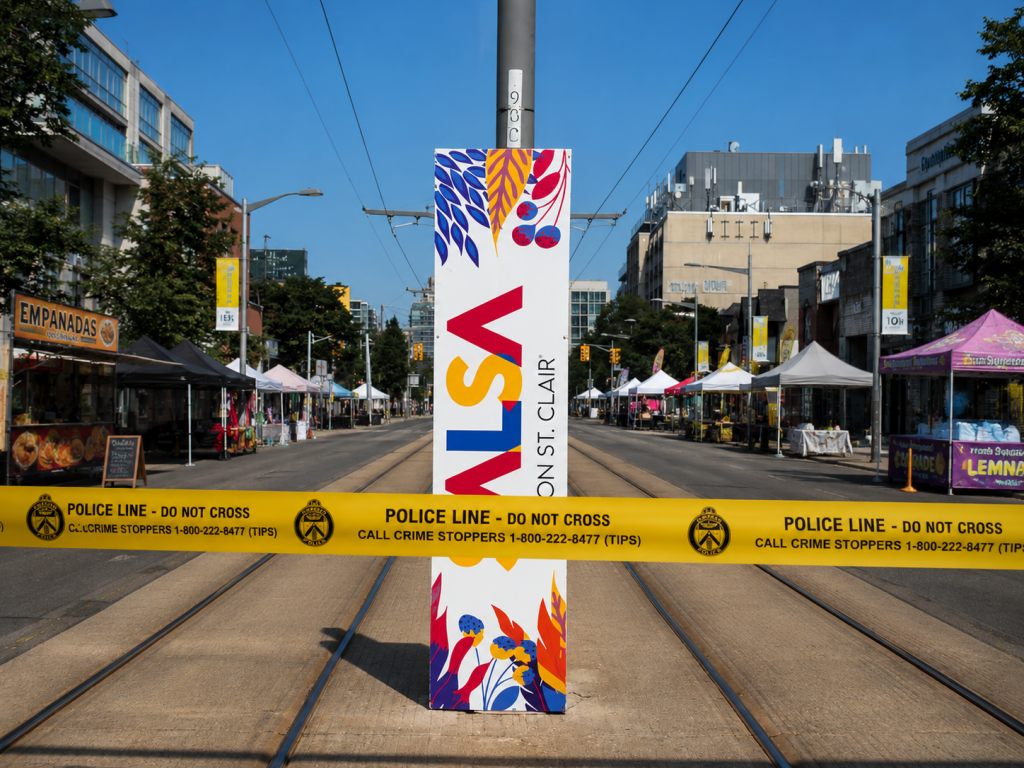
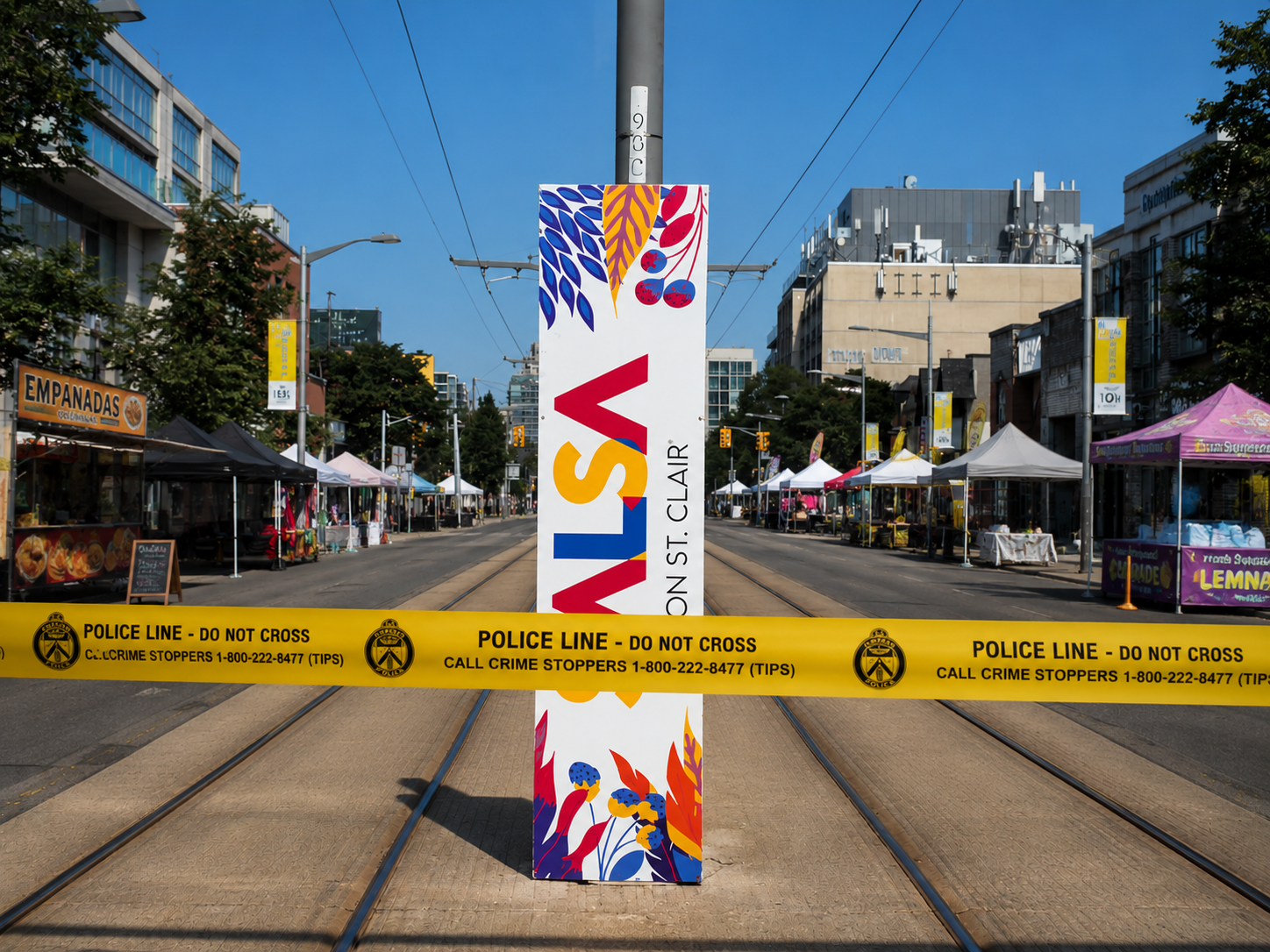
I live 500m from where the shooting occurred. I’ve come to know the owners and staff of many of the restaurants and shops along what is known as Hillcrest Village. Our kids go to school together, we see each other walking dogs, but mostly I’m a patron of the small businesses that give the neighbourhood its flavour. The coffee shop knows my drink, the butcher knows my cuts, the ice cream shop knows I’m addicted to ice cream. Before gunfire shattered Salsa on St. Clair, the event represented one of the busiest weekends of the year for these businesses, in addition to the many vendors at the festival. By Saturday evening, however, the celebration had become the scene of a fatal shooting that killed two people and injured several others. Organizers cancelled the remainder of the festival, abruptly ending what many businesses had counted on as a critical source of summer revenue.
The Cost Beyond the Crime Scene
For many businesses, the losses extended far beyond the hours immediately following the shooting. Street festivals require months of preparation. Restaurants hire additional staff, increase food orders and extend operating hours. Independent vendors invest thousands of dollars in inventory, permits, equipment rentals and marketing, often with the expectation that a single weekend will generate a significant portion of their seasonal income.
When police secured the area and Sunday’s events were cancelled, many of those investments became unrecoverable. Fresh food spoiled, scheduled entertainment was cancelled, and vendors lost an entire day’s worth of sales during one of Toronto’s largest Latin cultural celebrations.
Small Businesses Bore the Greatest Burden
Unlike large corporations, many of the businesses participating in Salsa on St. Clair are small, independently owned enterprises operating on narrow profit margins. Restaurants along the festival route often rely on the increased pedestrian traffic generated by the event. Temporary food vendors and artisans may spend weeks preparing inventory specifically for the festival.
For these businesses, a cancelled festival can mean:
- Lost weekend revenue that cannot be recovered.
- Wasted perishable inventory.
- Labour costs for employees who had already been scheduled.
- Equipment rental and permit expenses that had already been paid.
- Reduced cash flow during the important summer festival season.
Many business owners also faced uncertainty about insurance coverage. Standard commercial insurance policies do not necessarily compensate for lost income resulting from event cancellations or crime scenes, leaving some operators to absorb the financial losses themselves.
A Blow to Community Confidence
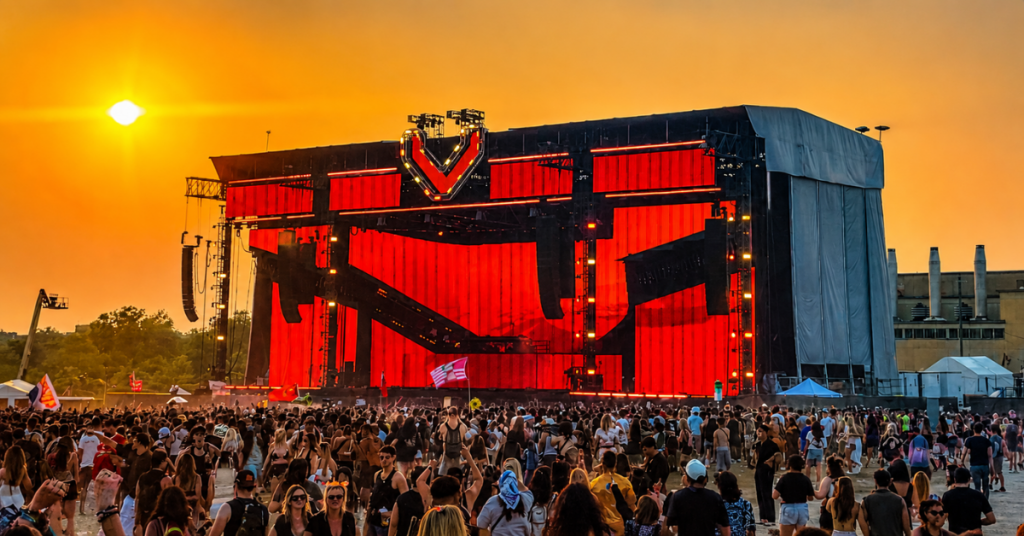
Unfortunately, many people are not surprised that this type of tragedy has struck. Do West Fest at the beginning of June, produced an overwhelmingly perilous narrative. Social media was flooded with reports of overcrowding, harassment, pickpockets, scams, violence, and the lack of resources to deal with it all. Salsa on St. Clair started with the expected good vibes; energetic, innocent, inviting. But it seemed the same bad actors emerged, this time with lethal consequences.
I don’t know about you, but I now seem to have no interest in attending any more street festivals in Toronto.
Street festivals succeed because they create confidence among visitors that they can spend an entire day shopping, dining and enjoying entertainment in a welcoming environment. When people are shot and killed, that confidence is erased.
The Latin Community Loses More Than Revenue
Salsa on St. Clair has grown over more than two decades into one of Canada’s largest celebrations of Latin culture, attracting thousands of visitors with music, dance, food and cultural performances. For many organizations, the festival serves as an opportunity to showcase local artists, connect newcomers with community services, and celebrate cultural heritage.
The cancellation represents more than an economic setback. Musicians lost performances, community groups lost opportunities to engage the public, and local charities missed fundraising opportunities. For many attendees, an event intended to celebrate culture instead became associated with tragedy.
Notable Question
The businesses along St. Clair West are open again. The entrepreneurs and vendors will work to recover their losses. But the lives that were lost will not be recovered. And the confidence of the community may be irreparably damaged, at least for the immediate future.
What are the steps we can take to ensure festivals can remain lively, welcoming and safe places where local businesses—and the cultures they celebrate—can continue to thrive?