Recently, in an effort to remain worldly and culturally fluent—by which I mean scrolling through TikTok—I stumbled upon a video that genuinely cracked me up. A Dachshund puppy and a Pug puppy participating in a lighthearted “intermission competition” at an otherwise formal skating event ( I assumed it was the 2026 Winter Olympics). It was hilarious, charming, and beyond shareable. I was mid-laugh, thumb hovering over the send button, ready to launch it to anyone and everyone when something made me pause.
“Wait,” I thought. “This is AI.”

I replayed it. The movements were just slightly too polished, the staging too perfect. And with a mix of disbelief and feeling a bit silly, I realized I had been fooled. I pride myself on having a sharp eye for what’s authentic and what’s not online, yet here I was, momentarily convinced – and easily convinced at that.
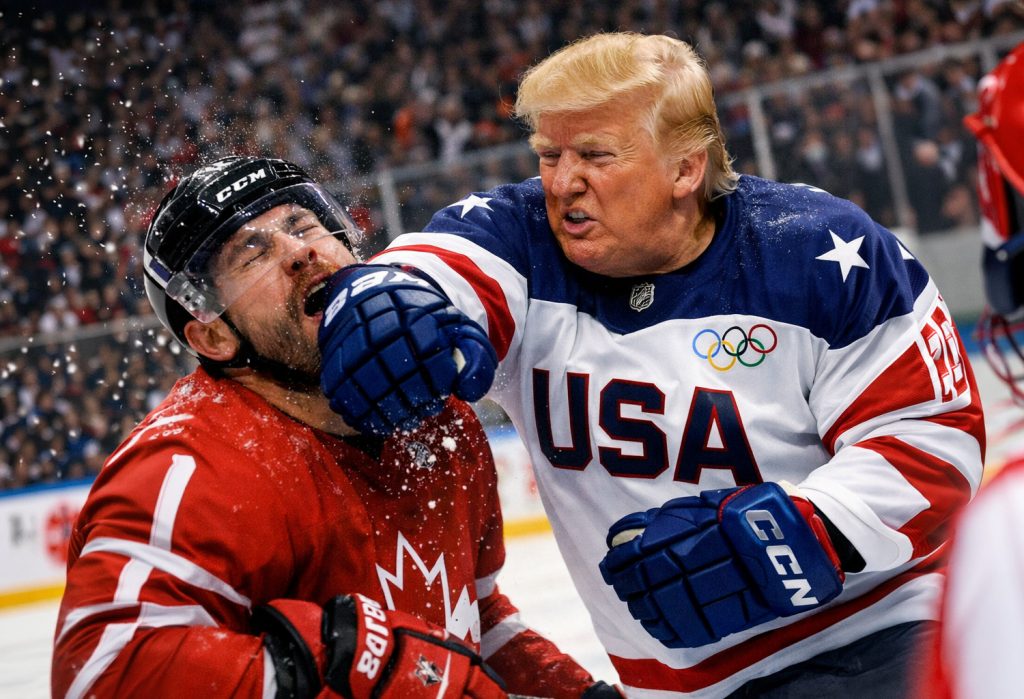
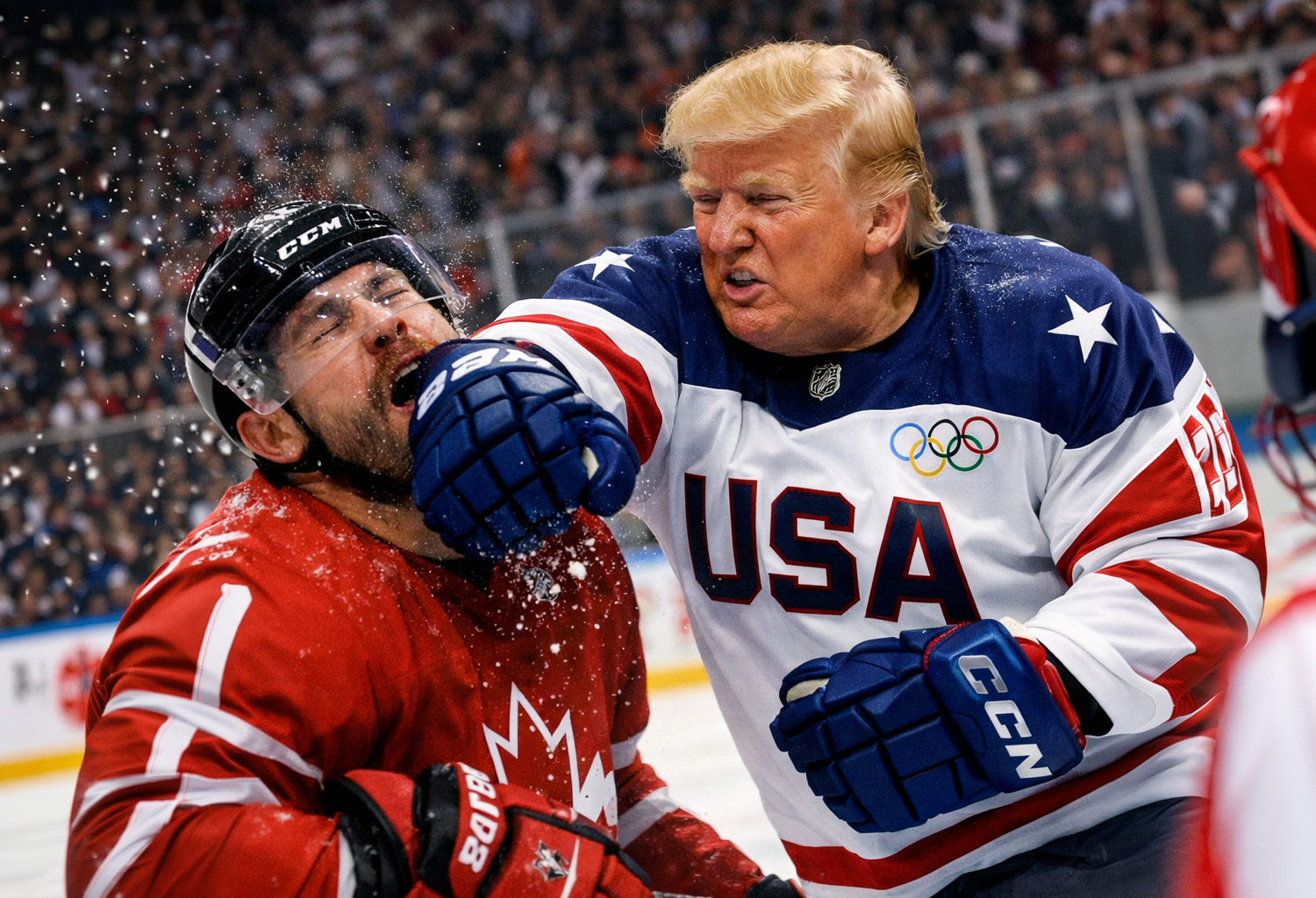
Not long after, I encountered yet another unsettling example of this feeling and situation: the official White House TikTok account engaging with and sharing content that leaned into deepfake-style edits. That stopped me in a different way. The playful novelty of AI suddenly felt heavier. More consequential and, honestly, just weird.
It left me with a question: Am I exhausted by AI? Because the illusion is no longer impressive? Because being fooled makes me feel less discerning? Or am I unsettled because the line between harmless entertainment and genuine harm is coming in real hot?
Honestly, probably all of it.
AI-generated content once felt inventive and surreal. Now, its seamlessness feels destabilizing. When fabrication becomes indistinguishable from reality, and not just in viral dog videos, but in political messaging and public discourse… the stakes shift. The humour dulls. The novelty fades. What remains is a quiet uncertainty about what, or who, to trust. Can we even trust our own eyes?
It all adds up to more unease, suspicion, apprehension, cynicism, and feelings of being duped. Instead of thinking critically about the world we live in we are distracted by trying to distinguish real from fake. So, is AI making life better?
What started as a tool to streamline our lives, make learning more dynamic, take the edge off the daily grind, has quietly evolved into something far bigger and perhaps insidious. It’s levelling up faster than we can track, pushing into spaces we didn’t anticipate and, if we’re honest, don’t fully understand or control.
How do you feel about AI? Do we need more fun but fake animal videos? Is the political truth-twisting becoming dangerous?