The conversation in the group chat and the office surrounding weight loss in Canada has changed significantly. We have transitioned from the “no pain, no gain” gym mentality to the “Ozempic Era.” This cultural and economic shift is redefining our understanding of fitness, weight loss and our health. This evolution is not merely about aesthetics, but rather represents a major disruption in the weight loss industry that is compelling established brands to adapt or face decline.
The Great Weight Loss Disruption

The effects on the traditional weight loss industry have been rapid and, in some instances, severe. In 2025, WW International (formerly WeightWatchers) filed for Chapter 11 bankruptcy to restructure over $1 billion in debt, a result of its 60-year-old business model being upended by GLP-1 medications. Since then, the company has pivoted by embracing the trend, focusing heavily on its digital app and telehealth services to prescribe the very drugs that nearly led to its downfall.
The fitness industry is also feeling the “Ozempic Effect.” While it might seem like fewer people are hitting the gym if they could “inject” their way to results, the reality is quite the opposite. Gym owners are growing optimistic, as these medications emphasize the importance of maintaining muscle mass. Rapid weight loss can often lead to muscle loss, so fitness enthusiasts are hitting the weights harder than ever to ensure they shed fat without sacrificing strength.
The Canadian Landscape: Health Canada and Generics
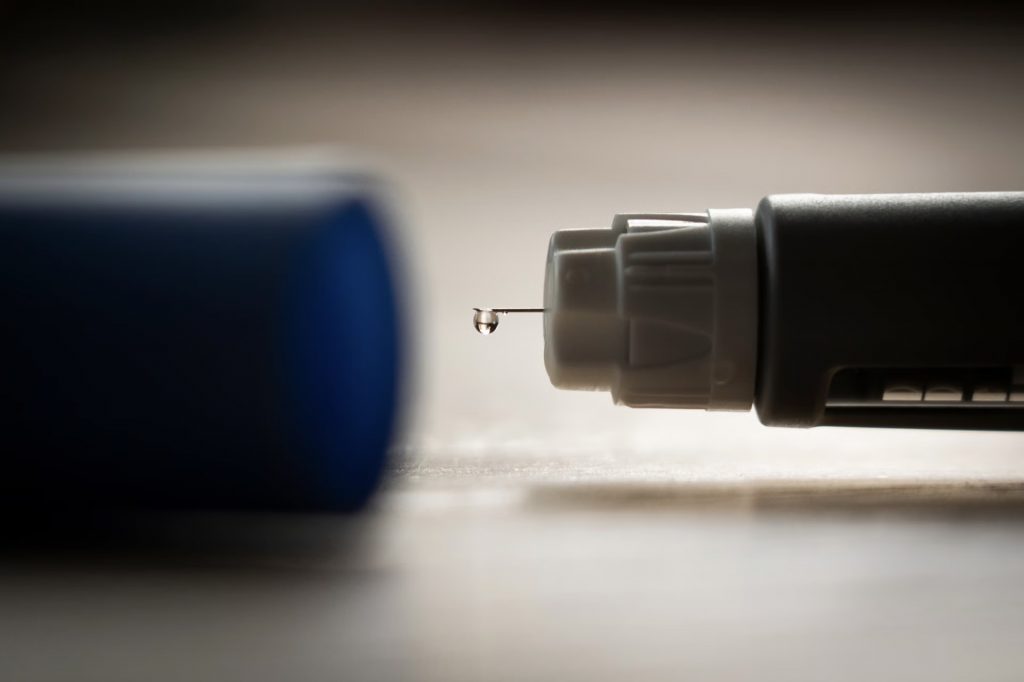
Although Ozempic has become a household name, the landscape is about to change as the patent expires, opening possibilities for generic versions. On Jan 04th, 2026, Canada became the first major market in which the patent expired, prompting nine submissions to Health Canada to produce generic GLP-1.
Pharmaceutical experts suggest that if the generic GLP-1s under review are approved, the monthly cost for Canadians could drop from the current range of $200–$400 to as low as $100–$150. This change could position Canada as one of the first countries to offer affordable generic versions of these powerful medications. However, because of Health Canada’s strictly regulated approval process, it could be a long time before the generics are available here.
The Reality Check: Insights from Experts

Dr. Terry Dubrow, well-known from the show “Botched,” has been a prominent voice regarding this shift. In a recent episode of the “Between Us” podcast, Dubrow shared his experience with Wegovy and discussed the physical implications of using these medications. He has introduced terms like “Ozempic Face” to describe the rapid loss of facial volume that can occur.
Dubrow’s insights serve as a reminder that while the weight loss industry is thriving, the human experience remains complex. He emphasizes that these medications are “multi-system” therapies, impacting not just body weight but also factors like cardiovascular health and cravings for alcohol. A study from Dalhousie University estimates that by 2024, approximately 1.4 million Canadians will be using these injectables, reshaping how we shop, eat, and socialize.

The Verdict
The Ozempic era is more than just a trend. It signifies a comprehensive market recalibration. Major food companies like Nestlé are launching “GLP-1-friendly” product lines, while clothing retailers are reporting increased demand for smaller sizes and belts.
For young professionals, the takeaway is clear: being “fit” is no longer solely about the calories you burn but also about the chemistry you manage. As Canada moves toward making these innovative treatments more accessible through generic options, the pressing question is not whether the industry will change, but how quickly those with weight-loss goals can adapt to this new normal.