Every year, the lead-up to the “Big Game” tells a familiar story. We know that roughly 1.4 billion chicken wings will be consumed on Super Bowl Sunday, and that a 30-second TV commercial spot costs more than a private island. However, for the modern professional, these statistics are mere background noise. At Notable Life, we focus on the underlying currents, the way a single Sunday afternoon can reshape the economic landscape of a city for an entire week.
Forget the scoreboard. Let’s explore the Business of the Bowl.
The “Eight-Day” Week
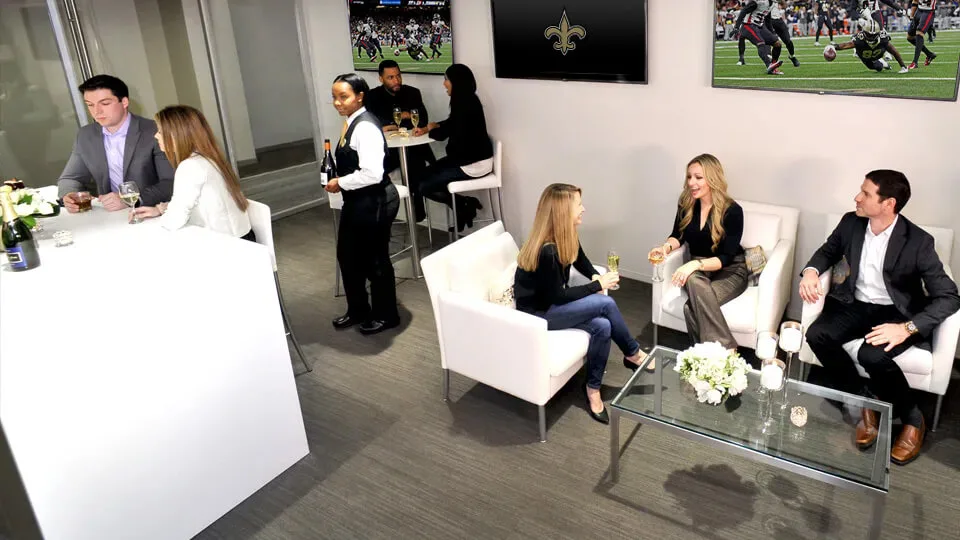
While the game lasts just 60 minutes, the economic impact stretches across an eight-day marathon. For a host city, the Super Bowl is more than just a game; it is a massive temporary merger. For Super Bowl LVIII in Las Vegas, the final estimated local economic impact reached a staggering $1 billion, driven by an influx of big-spending visitors who treated the city like a week-long corporate retreat.
But there’s a twist, it is not only big business cash. While the NFL keeps 100 percent of ticket and merchandise revenue, the real trickle-down effect happens on the streets. We are not just talking about hotel chains achieving 96 percent occupancy at $600 a night. We are referring to the secondary economy, the experience economy.
The Airbnb Arbitrage: More Than Just a Bed
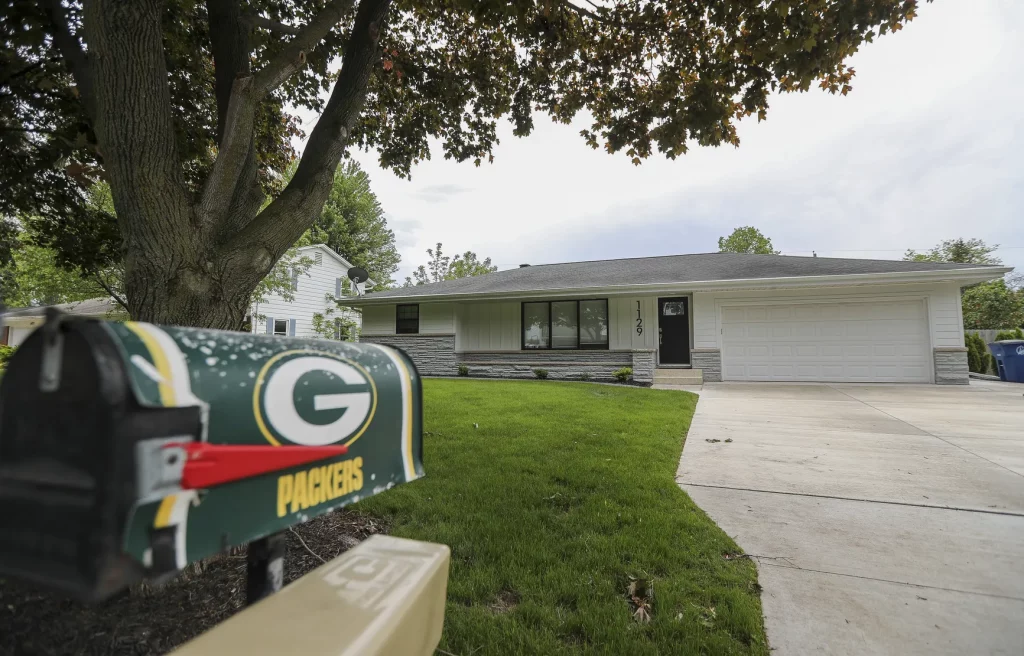
If you are a local resident in a host city with a spare bedroom, you become a high-yield asset manager for the week.
- The Revenue Surge: In Las Vegas, Airbnb hosts generated a 180 percent YoY revenue boost, with average daily rates reaching $526.
- The “Quarterly” Win in Four Days: In the upcoming Bay Area Super Bowl, a well-positioned 3-4 bedroom home near the stadium can earn between $3,000 and $5,000 for the Thursday to Sunday window. This potentially accounts for 25% of the property’s typical annual revenue in just four days.
- The “Airbnbust” Warning: Phoenix serves as a cautionary tale for the over-eager. Listings surged from 5,000 to 21,000, leading to a “supply flood” that left many hosts with empty calendars despite a 42% rise in average rates.
The Mom-and-Pop Renaissance: Boots on the Ground

The true MVPs of the week are not wearing cleats; they are wearing aprons and managing production crews. The NFL’s Business Connect program is the unsung engine behind this, funnelling contracts to local minority, women, and veteran-owned businesses.
- The Production Pivot: Take Frequency Pictures in Las Vegas as an example. This local production company completed 10 Super Bowl-related projects, generating over $1 million in revenue and employing 175 local cast and crew members.
- Service Surges: In Phoenix, local diverse businesses in the Business Connect Program secured 246 contracts totaling $11.5 million.
- The “Celebration” Economy: For local bars and independent nightclubs, sales typically spike by 20% to 50%. In New Orleans, visitors were estimated to spend $300 on food and drink alone over just two days.
The Post-Game Glow & Long-Term ROI
There is a specific kind of “civic ROI” that’s hard to quantify but impossible to ignore. A successful host week places a city on the global shortlist for future conventions and international festivals.
- The Infrastructure Legacy: The bidding process for the game often accelerates significant projects. In New Orleans, a $560 million renovation of the Caesars Superdome generated an additional $450 million in economic ripple effects through the local construction and trade sectors.
- Jobs for the Year: Hosting the game in Arizona was credited with creating over 10,400 annual jobs, contributing nearly half a billion dollars to local labour income.
So, when you are watching the game this Sunday, look beyond the end zone. The real victory is not the trophy; it is the local video crew that just reached its annual revenue target in a month, the homeowner who funded a year of mortgage payments through Airbnb, and the small-scale caterer who became an “official NFL vendor”. That is the true Business of the Bowl.
That is the real Business of the Bowl.