If experiential is not a part of your marketing in 2026, you are missing out.
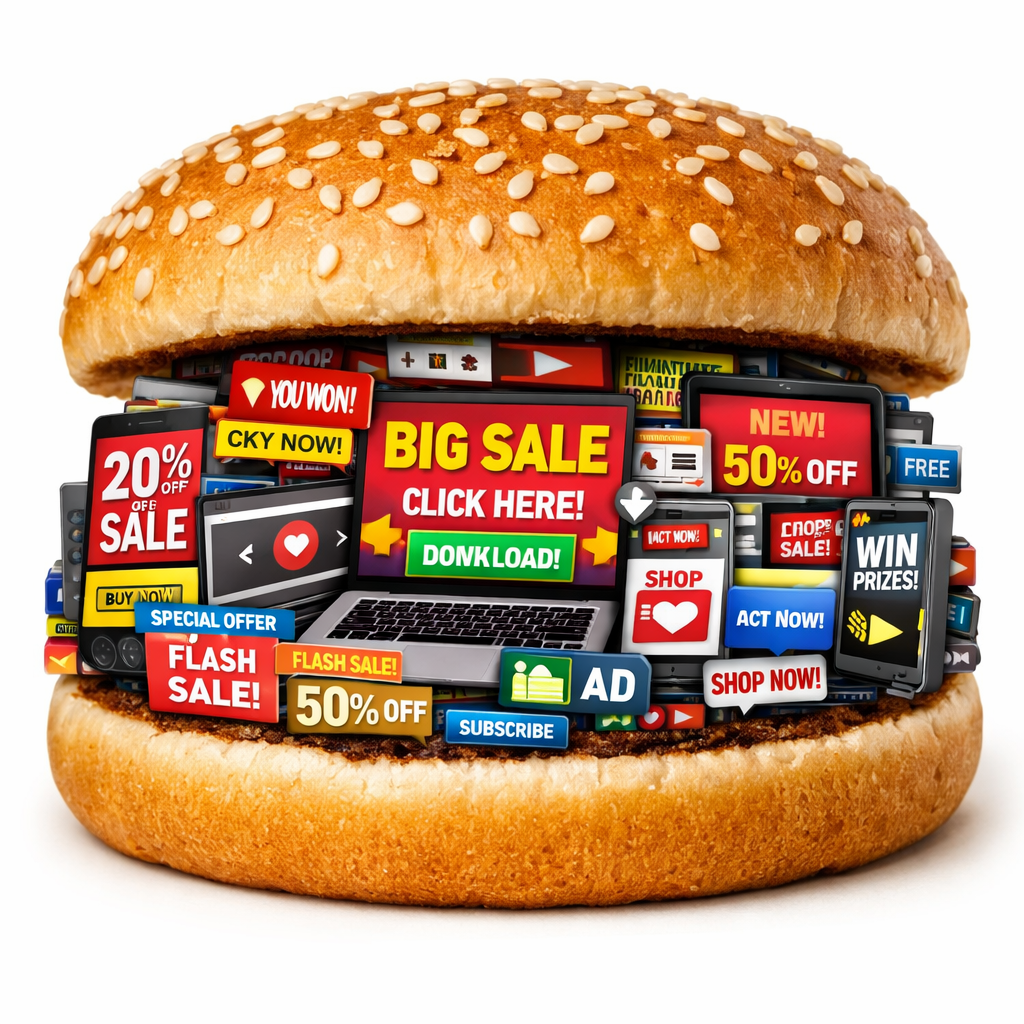
In today’s media landscape, it’s easy to get spellbound by the omnipotent magic of metrics. KPI, ROAS, conversion, reach, engagement, click rate; all these numbers to hold our hand and reassure us that our marketing dollars are going to good use. Of course, these metrics are essential when building and growing your business. But metrics are shortsighted. They can give you an idea of consumer behaviour, but not insights into the soul. Most importantly, these kinds of metrics are limited to the digital world, which is where Meta and Google want you. These companies have done an amazing job of turning social media and search engines into the most important marketing platforms available. They target your desired audience by interest and location and serve up all the statistics that keeps us hooked into their system. It’s the same way that food industry scientists are engineering ingredients to ensure consistency, scalability, and flavour to keep customers coming back. Yes, digital ads are the fast food of the marketing world. We have gobbled it up. But like fast food, we are realizing there are healthy, more fulfilling options.
I remember sitting in meetings when I first started hearing clients obsessed with conversion rates. Convert convert convert. If Mamet wrote Glengary Glen Ross today, the quote would be “Coffee is for converters.” These clients wanted to know that every dollar they spent on influencers was being converted into sales. That these little digital billboards were instantly paying off. Makes sense. But a little voice in my head said: “I don’t think that’s how humans work”. Humans need to immerse themselves in something to build a relationship with it. Yes, many people will give them the click-throughs they want, but I felt like they were ignoring a whole audience that would not. But I was not qualified or experienced enough to opine. Digital ads continued to explode. Metrics continued to control marketing conversations. Now, it feels like things are changing.
Unless an extinction level event destroys humanity’s capacity to run the internet, digital marketing will remain the dominant way to advertise. But in 2026 there are a few problems with it.
First, oversaturation. Too much. By now, we can recognize that Instagram, Facebook, Tik Tok are all blatant advertising platforms. Remember when Youtube didn’t have ads interrupting every few mins? Even Prime has dropped commercials into it’s streaming content, just like the good ol’ days of cable TV. We spend a lot of time navigating digital landscapes, and the sheer volume of advertising is overwhelming. As consumers, we tune out. As marketers, we get drowned out.
Second, trust is gone. “Organic” influence is impossible. When we see somebody post about a product or service, we know they are getting paid for it (even if they aren’t!). Now AI is in the mix, so in addition to mistrusting motivations, we are now questioning if what we are seeing even exists in the real world!
Ah, the real world. We are realizing that we can easily step out of this digital screaming match and into reality, where it’s easy to trust what we are seeing. Where we experience with all five of our senses, instead of the tip of a finger and bloodshot eyes. Where engagement means looking somebody in the eye and laughing out loud at their jokes. Where reach means pushing your hand out to feel the textures and temperatures around you.
There is something deeper than nostalgia that stirs in the hearts of older generations as they look back a mere two decades; there is the reluctant understanding that life was better without such a heavy reliance on the digital world. Surprisingly, even Gen Z, who don’t know a world without smartphones and internet, are starting to abandon social media, some even giving up their devices for old school flip phones. It’s as if humanity is an organism with an immune system rejecting a virus. Nature will always rule. So let’s get back to what is natural. Smelling, tasting, hearing, feeling, seeing the world around us and interacting with it. As brands, as marketers, let’s create those interactions.
If you’ve become addicted to metrics, perceiving the value in experiential campaigns can be difficult. Of course, certain tangible results can come out of an experience: attendance, or onsite retail sales. And experiences can be designed to be very “shareable” which will generate metrics on social media. But the real value of creating experiential campaigns can’t be measured.
If you are a wine brand, for example, the feeling a person gets from experiencing your product is far more powerful than a pretty photo skidding by on an IG feed. Arriving at an inspirational space, holding proper glassware in their hand, swirling the wine, bringing in the aroma, tasting how it pairs with different foods, listening to the winemaker tell the story behind what’s in the glass, sharing thoughts with others as you taste. You have now given your audience memories that live in their bodies. When they are staring at a shelf of two hundred different brands to choose from, will they pick the wine with the cool digital ads, or the wine that invokes memories of a fun-filled evening with new friends?
Experiential marketing doesn’t have to be as linear as liquid to lips. Many brands are finding ways to build customer experiences that work as a companion to their product or service. It may seem coffee and clothing have little in common, but in recent years, Aritzia has launched A-OK cafes inside many of its retail locations. These cafés are sophisticated, highly aesthetic, with quality products. You feel classy, sitting at a bistro table with a croissant and coffee adorned with latte art. You feel on trend as you sip a vibrant strawberry matcha and catch a glimpse of yourself in the nearby full-length mirror. There are numbers to be counted in this example. Do clothing sales increase in these locations? The café will generate it’s own revenue. But again, the real value can’t be measured here. Feeling. Bringing lifestyle moments into the task of shopping for clothes makes it a fuller, more immersive experience.
Experiential marketing requires more. It requires a leap of faith that what you are doing is building immeasurable value for your business. It takes thoughtfulness, curation, quality control, and empathy to create experiences that will get into the soul of your audience.
If the internet ended tomorrow, how would you sell what you’re selling. Try it now.